
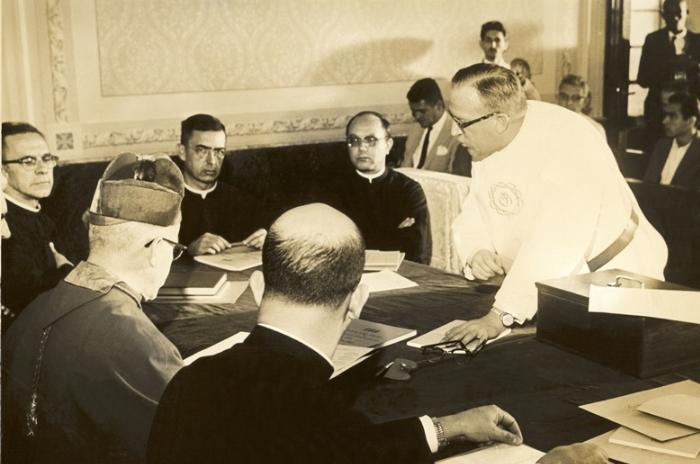
The first thing to do is to request the opening of the process. Next, a postulator is appointed for the case; this person will be responsible for the process. Then the investigation into the candidate's life begins, gathering evidence of virtue and their reputation for holiness.
For the process to continue after the investigation, a 'no record' certificate is required, requested by the Congregation for the Causes of Saints from the Holy See. Following this, the Congregation grants the title of Servant of God to the candidate. At this point, a local bishop formally institutes the cause for Beatification, and a tribunal is established to examine the life and virtues of the Servant of God, with the appointment of a judge delegated by the bishop.
This tribunal must formalize all the statements from the people who submitted their testimonies about the Servant of God. Thus, the process regarding his life and virtues is concluded, and the Vatican grants the title of Venerable to the candidate.
At this point, the Postulator chooses a probable miracle that occurred after the death of the Servant of God, and the Tribunal of Miracles is established to investigate everything about the indicated extraordinary event. After all the investigation, the findings are sent to Rome. The mortal remains are exhumed and transferred to a church that is easily accessible for public visitation, and at this moment the Beatification takes place, by the Pope or someone delegated by him, normally in the place where the cause originated.
For canonization, the Postulator selects a possible miracle that occurred after the beatification, and the Tribunal of Miracles is once again established. All investigations are carried out, and the findings are again sent to Rome. If approved, the canonization is performed by the Pope in the Vatican.
**With information from cancaonova.com
 Português do Brasil
  English
  Español