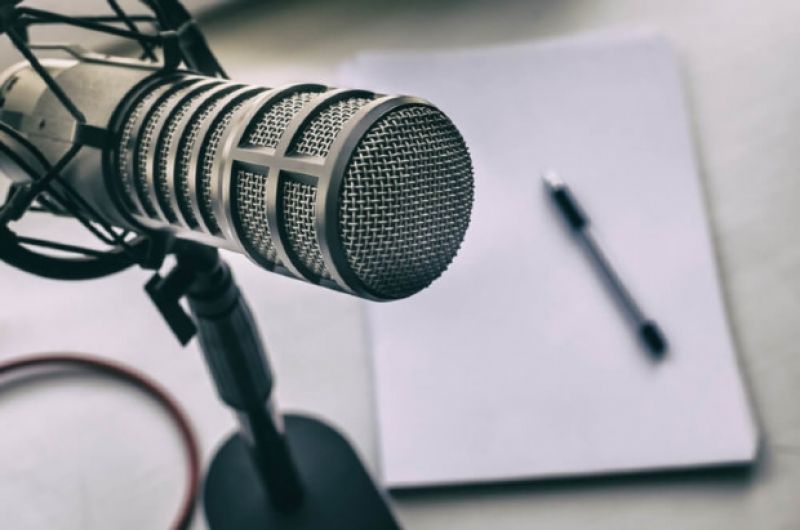
Since the social isolation period began due to the Coronavirus pandemic, the Padre Eustáquio Museum, located in Poá, in Greater São Paulo, has been producing podcasts (a kind of short radio program) telling the story of the Blessed One's life.
Produced by the museum team and coordinated by Delcimar Ferreira, the podcast "Getting to Know Father Eustáquio" reaches its 27th episode and is already in its second season. This week, you can hear another case of a person who reports being cured after receiving a blessing from Father Eustáquio. “"Helena Lobosque, a resident of Brás, in the capital, had a skin disease that seemed incurable."”
This chapter features the collaboration of Luciene Freire and the always special affection of the museum team. If you haven't heard it yet, Click here Go to the Padre Eustáquio Museum blog. There you will have access to the platforms that offer the audio recordings. Choose the one you prefer, listen to it, and share it with your friends. Also, take the opportunity to listen to previous programs and learn a little more about the history of this true Servant of God.
The Father Eustáquio Museum
The place dedicated to preserving documents and objects belonging to Father Eustáquio was inaugurated on May 5, 2006, in a room located in the old Parish Pastoral Center, a building that was demolished for the future expansion of the Main Church.
With the demolition, the City Hall of Poá returned the property of the former São José Convent (which was being used by the Jornalista Paulo Eduardo Olintho Rehder State School) to the Diocesan Curia. Currently, the Padre Eustáquio Evangelization Center operates in this space, and the museum was reopened on August 30, 2011.
The museum receives an average of 300 visitors per year. Approximately 90% of these visitors are from Poá-SP, but we also receive visitors from neighboring cities such as Ferraz de Vasconcelos, Suzano, Itaquaquecetuba, and Mogi das Cruzes, for example. The museum has also received visitors from other countries such as the Netherlands, Cuba, Paraguay, and Angola.
(with information from the Padre Eustáquio Museum blog)
 Português do Brasil
  English
  Español