
In a world increasingly centered on material values, it is crucial to reflect on the relationship between man and material things in the light of the Catholic faith. Material things were created to serve man, not the other way around. This is a fundamental notion that must be understood in our modern society, where we often place material things at the center of our lives, leaving human dignity in the background.
This inversion of values occurs when we forget that we are called to be "masters of material things" and, instead, act as slaves to them. This inversion would never occur if we submitted to the teachings of the Holy Roman Catholic Apostolic Church, which is the infallible guardian of truth.
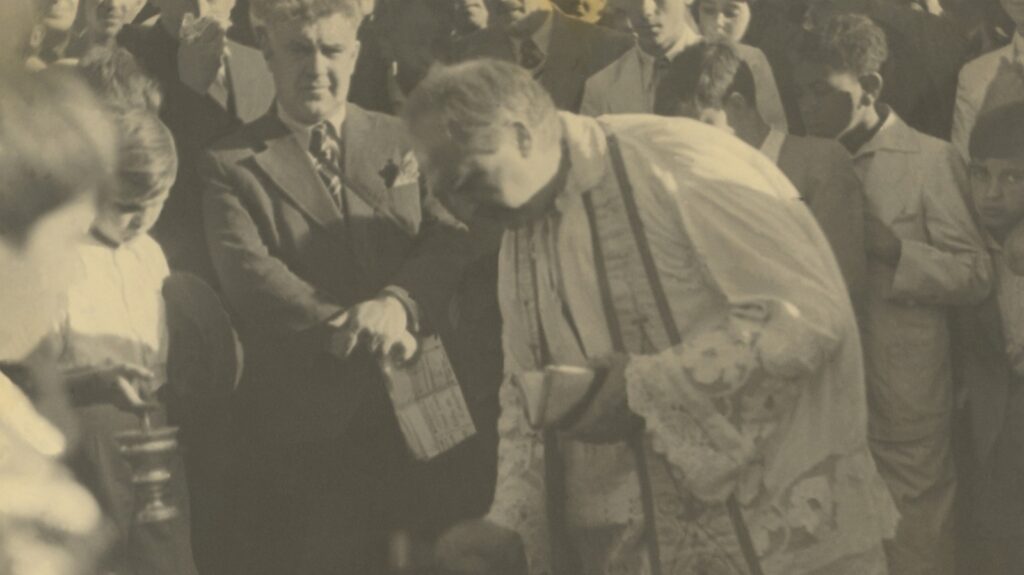
Father Eustáquio wrote a beautiful reflection on the subject, which you can read below:
Especially in our time, it is good to insist, it is good to emphasize, it is indispensable to hammer many times on this very dangerous point, the cause of so many mistakes and disappointments, of so much blindness of spirit – that is, that material things were made and exist because of man, and not the other way around, as this era would have us believe, that is, that man was created to be a slave and not the owner of material things.
Now, this most dangerous, how disastrous an inversion or fusion of values in the order of creation, would never have happened if man had always been disposed with docility and submission, most honorably, to the teachings of the Holy Roman Catholic Apostolic Church, the sole, infallible guardian and teacher of truth, and, as a logical consequence, also the most authoritative counselor in matters of a temporal order, in the face of which it has the secure and firm attitude of a disinterested observer, because its interest is only one: the good of souls.
Hence, it is true that, when dealing with purely social temporal matters, the Church considers only the angle of human utility and well-being, assisting with its disinterested and impartial teaching and counsel, so as not to see the misuse or erroneous application of goods ruin respectable human efforts, such as, above all others, those of the humblest communities, because they are the most arduous and sacrificial, and, in themselves, deprived of guidance for their benefit, for, in fact, they will be used, or lost by those who are responsible for the management of the communities, because, to tell the truth, the origin of the social question is another distressing aspect of Adam's sin, and, from then on, the fruits of the earth, according to their use or abuse, can produce virtue or evil, for they give occasion to good and to ruin.
 Português do Brasil
  English
  Español